
Emergency preparedness
Preparedness without panic · Day 3 of 7
Water, Shelter, and Sanitation Come Before Acreage
Before treating rural land as a backup destination, verify safe water, lawful shelter, sanitation, storage, and the needs of everyone in your household.
Wholesale Land USA · · 3 min read
01Separate land ownership from basic habitability
Owning several acres does not provide drinking water, protection from cold, or a sanitary place to stay. Before calling a parcel a backup destination, work through those needs as if you were arriving with only what your household could safely bring.
Start with the people who would use it. Account for medications, accessibility, dietary needs, infants, pets, and temperature-sensitive supplies. If a household member needs dependable medical equipment or nearby treatment, seek appropriate professional guidance before relying on a remote site.
02Create a water plan you can actually supply
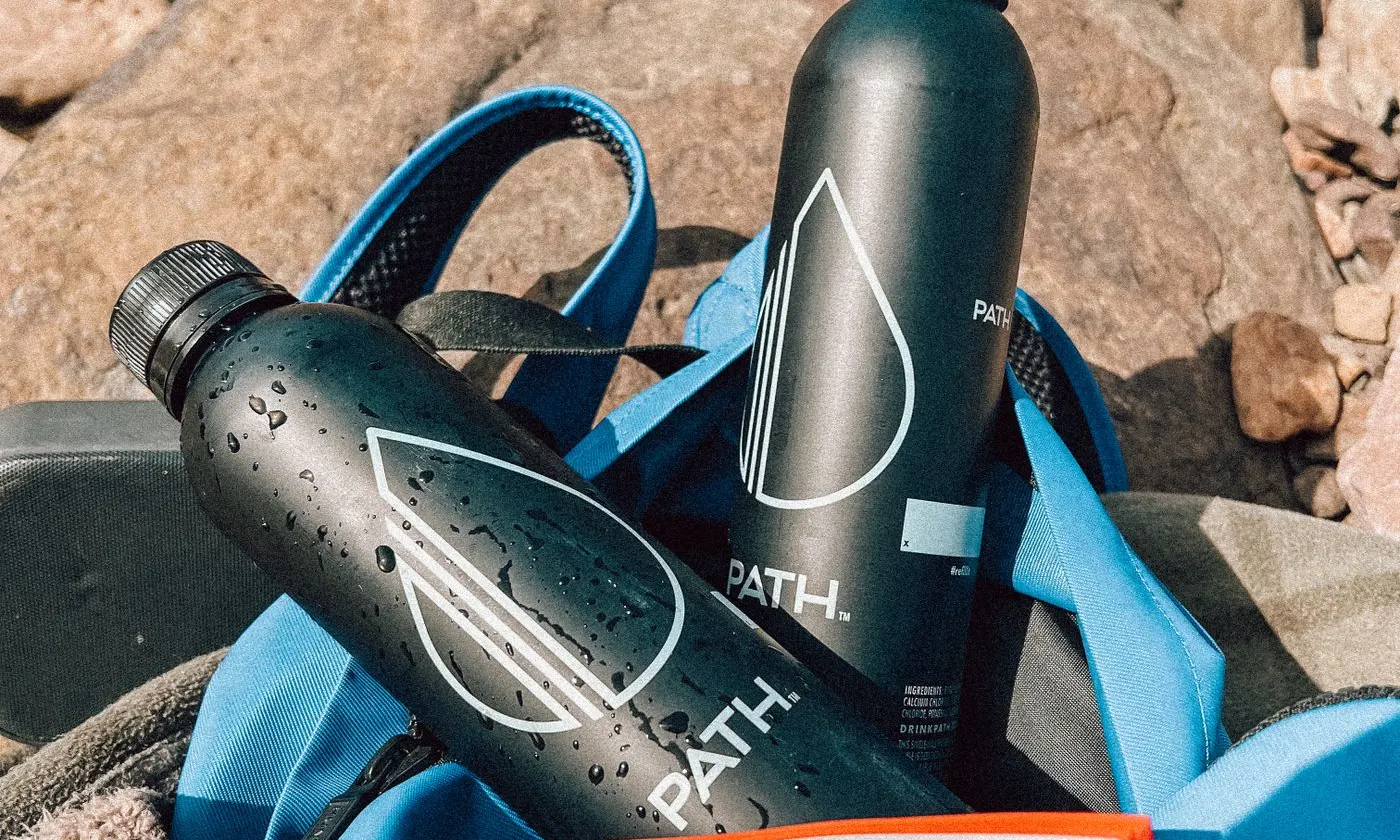
CDC advises storing at least one gallon of water per person per day for three days, and trying for a two-week supply when possible. More may be needed for pets, illness, pregnancy, or hot conditions. That emergency-storage baseline is not a design estimate for a permanent rural household.
Unopened commercially bottled water is CDC's most reliable emergency source. For self-filled storage, use suitable food-grade containers, follow CDC cleaning and storage guidance, and replace stored water every six months. Never reuse containers that held toxic chemicals.
For a parcel, investigate permitted well options, available service, or lawful delivery and storage arrangements. A nearby well or natural water feature does not guarantee your water rights, supply, or drinking-water safety. Do not assume a basic camping filter removes every contaminant.
03Make shelter lawful and appropriate for the weather
A tent, an RV, and a permitted dwelling solve different problems. Ask local planning officials and review private restrictions before assuming any of them can be used on the parcel. Identify limits on stay length, installation, and occupancy before spending money.
Think beyond a pleasant weekend: wind, heat, freezing conditions, and smoke can make a temporary setup unsuitable. Keep a usable alternative such as an arranged stay with family or another appropriate destination. Follow official shelter or evacuation instructions during an incident.
04Arrange wastewater and waste disposal before arrival
Contact the local health authority about approved toilets, wastewater handling, and septic feasibility. A portable toilet or RV holding tank does not automatically make extended occupancy lawful. Identify how waste would reach an authorized disposal service without depending on an unverified route.
Ask for estimates and requirements tied to the specific parcel. When you compare land listings, include these preparation costs alongside the cash or financed purchase price. Land that fits your practical needs is more useful than additional acreage that leaves the essentials unresolved.
Sources and further reading
This guide is general information, not legal, tax, or financial advice. Rules vary by location; confirm details with the appropriate local authorities and qualified professionals. For an active emergency, follow current instructions from local officials.
Ready to look at real parcels?
Browse current listings, or send us your questions about a property and its terms.