
Land use
What to Ask Before You Budget for a Private Well
A useful well estimate covers permissions, site conditions, drilling scope, pumping, water testing, and uncertainty—not just a quoted price per foot.
Wholesale Land USA · · 2 min read
01Check permission before treating a well as the answer
Owning rural land does not establish a right to drill or use groundwater for every purpose. Start with the authority responsible for wells and water use in the property's state, and describe the parcel and intended uses precisely. Household supply, irrigation, and livestock may raise different questions.
Ask which permits, records, construction standards, and restrictions apply before spending on a site plan. A nearby well can inform the discussion without guaranteeing that your parcel qualifies for the same arrangement. Water rights, drilling permission, physical supply, and drinking-water safety are separate issues.
02Request a complete written scope
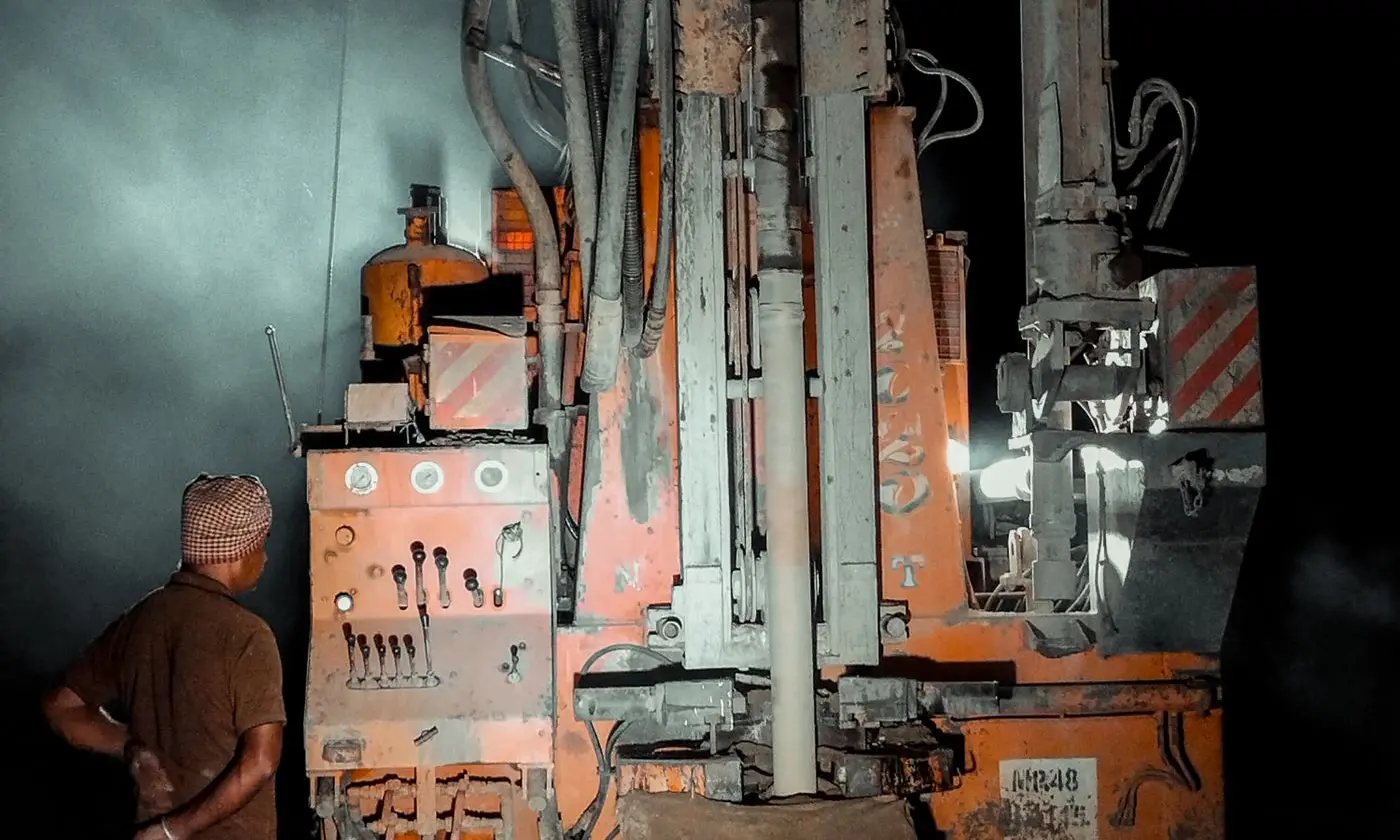
A drilling figure quoted per foot is only part of a possible system cost. Ask what the estimate includes: access and mobilization, drilling, casing, pump equipment, controls, electrical work, storage if needed, testing, and site restoration. Identify what is excluded and how changes would be authorized.
Ask how the contractor handles uncertainty about depth, yield, site conditions, or an unsuccessful attempt. Do not convert nearby records or an estimated depth into a promised result. Confirm credentials and required licensing with the appropriate authority, and compare estimates with similar scopes.
03Include water quality and ongoing responsibility
EPA explains that private well owners are responsible for delivering safe drinking water to their households. A well that produces water is not automatically a safe drinking-water supply. Ask your local health authority or an appropriate laboratory about testing and interpretation for the actual location and use.
Budget for any treatment, monitoring, maintenance, and power requirements that professional advice identifies. Do not assume a generic filter resolves every possible issue. If a seller describes an existing well, request records and an appropriate inspection rather than treating the presence of equipment as proof of serviceability.
04Keep alternatives honest
If a well remains uncertain, investigate other lawful options without assuming they will satisfy occupancy rules. Service connections, delivered water, and storage systems can have their own limits, costs, and approvals. Compare them against the household's actual needs rather than a weekend camping estimate.
When considering Wholesale Land USA land, ask what water information is documented and what still needs independent verification. A useful purchase decision separates the land price from the cost and uncertainty of providing an approved, dependable water supply.
Sources and further reading
This guide is general information, not legal, tax, or financial advice. Rules vary by location; confirm details with the appropriate local authorities and qualified professionals. For an active emergency, follow current instructions from local officials.
Get new land-buying guides
Practical answers for your next land purchase. Subscribe only if you want guide updates; making a property inquiry does not subscribe you.
Checking subscription availability…
Ready to look at real parcels?
Browse current listings, or send us your questions about a property and its terms.