
Emergency preparedness
Cold-Weather Camping: A Summer Setup May Not Be Enough
Check lawful camping use, winter access, appropriate shelter, water, sanitation, and safe alternatives before planning a cold-weather rural land visit.
Wholesale Land USA · · 2 min read
01Confirm permission before planning the trip
Owning a parcel does not automatically permit an overnight stay in every season. Before winter camping, verify local rules, private restrictions, and any conditions in the purchase agreement. Explain the actual shelter, stay length, number of occupants, and sanitation arrangement rather than asking a vague question about recreational use.
Permission and suitability are separate. A lawful short stay can still be unsafe in severe weather, and equipment that worked in summer may not meet winter needs. Keep a comfortable alternative destination instead of treating the property as the only place the trip can end.
02Make weather and access the deciding factors
Review official forecasts, road reports, closures, and local instructions before departure. Ask which parts of the route receive winter maintenance and how you would turn around safely. Do not rely on an old map or a clear main highway as proof that the last section is passable.
Ready.gov's winter-weather guidance recommends planning for severe conditions and avoiding unnecessary travel when conditions are unsafe. Tell a trusted person your route and expected return, carry appropriate supplies, and postpone a recreational visit rather than using it to test a vehicle or shelter.
03Do not improvise heat in an enclosed space
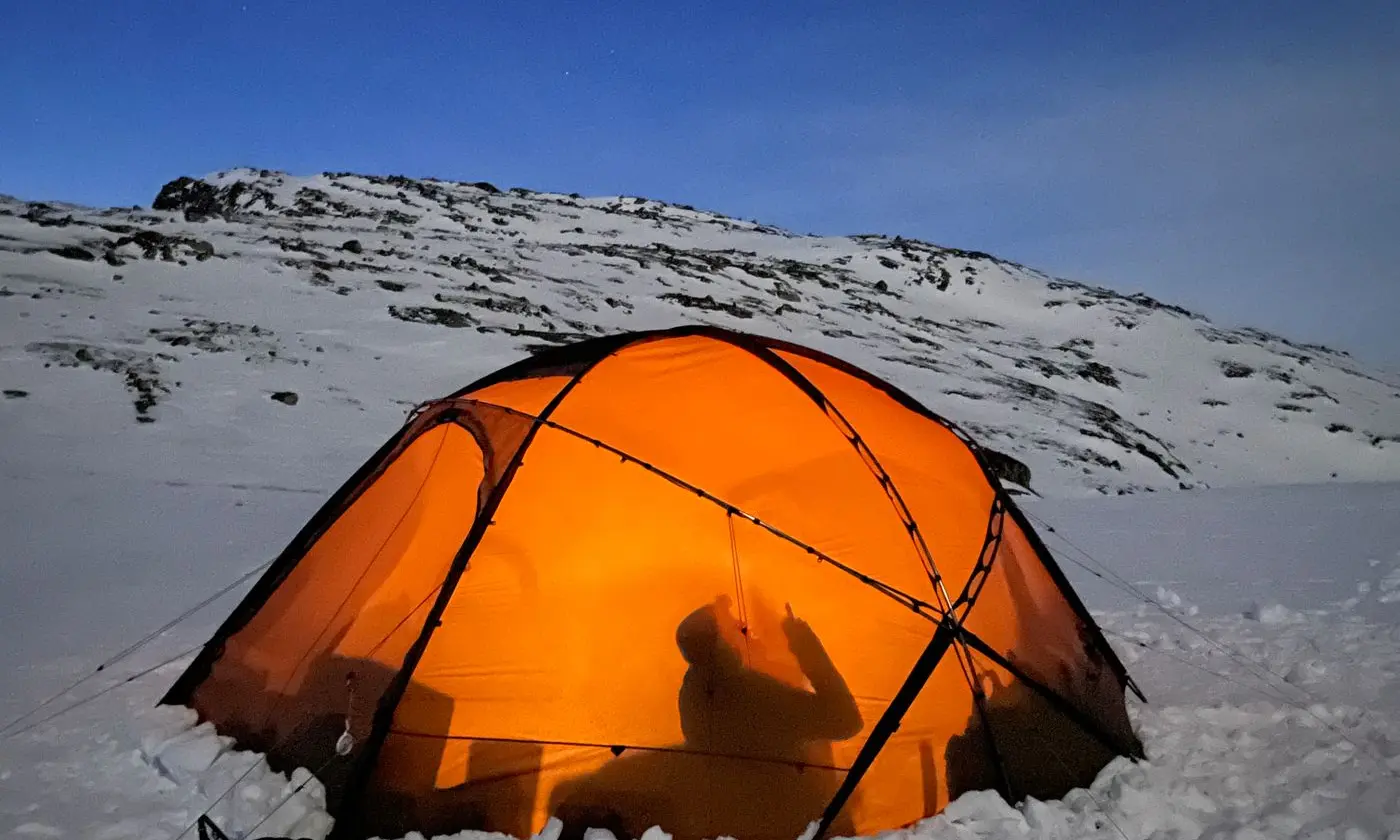
Choose shelter and equipment with appropriate qualified advice and follow their documented limits. Account for the people using them, including children, older adults, and anyone with medical needs. A dramatic winter-camping photograph is not evidence that a similar setup is appropriate for your household.
Never use a generator inside a tent, RV, garage, or other enclosed shelter, and do not bring charcoal grills or outdoor cooking appliances inside for heat. Follow carbon-monoxide safety guidance, equipment instructions, and current fire restrictions. Remote land does not make exhaust or fire hazards less serious.
04Plan water, waste, and an easy departure
Confirm safe water and approved sanitation arrangements that remain usable in the expected conditions. Think through packing, lighting, communication, and how you would leave if weather deteriorates. Do not assume a frozen or snow-covered site removes waste-disposal responsibilities.
When considering Wholesale Land USA property, be specific about whether cold-weather recreation is important to your plans. Verify the rules and logistics before purchase, and keep the option to use the land only in conditions that fit your equipment, abilities, and lawful arrangements.
Sources and further reading
This guide is general information, not legal, tax, or financial advice. Rules vary by location; confirm details with the appropriate local authorities and qualified professionals. For an active emergency, follow current instructions from local officials.
Get new land-buying guides
Practical answers for your next land purchase. Subscribe only if you want guide updates; making a property inquiry does not subscribe you.
Checking subscription availability…
Ready to look at real parcels?
Browse current listings, or send us your questions about a property and its terms.