
Oklahoma land
Buying Land in Latimer County, Oklahoma: Access, Water, and Septic
Check jurisdiction, recorded access, rural water or well options, septic authorization, title, and financing before buying Latimer County land.
Wholesale Land USA · · 6 min read
01Use the Latimer County listing as a research starting point
When the site's Oklahoma inventory was reviewed on October 30, 2026, it included a Latimer County listing identified as parcel 0000-34-07N-21E-4-006-00. This guide addresses the questions that location raises, not the parcel's current availability, confirmed acreage, buildability, or suitability for camping. Request the current listing details and supporting records before making a decision.
Start with the full legal description, parcel identifier, recorded deed, and any survey or plat. Match the property you are researching to those documents rather than relying on a marketing map. The county assessor can help identify the tax parcel; an independent title professional and, when needed, a licensed surveyor can help resolve ownership, boundaries, and recorded interests.
02Find the governing jurisdiction before asking about uses
First establish whether the parcel is inside an incorporated municipality or in an unincorporated part of the county. Start with the official Latimer County office directory and ask the commissioners' office to identify the correct land-use and floodplain contacts. If the property is within a town or city, ask that jurisdiction about its planning, zoning, building, and occupancy requirements.
The directory is an official contact source, not a statement of zoning rules. We did not verify a countywide zoning or RV-occupancy rule from that source, so this guide does not describe Latimer County land as unrestricted or permit-free. Ask the responsible authority to confirm the rules for your exact site and use in writing.
- Describe the actual project: home, manufactured home, cabin, occasional camping, or occupied RV, including length of stays.
- Ask what approvals apply to structures, electrical and plumbing work, earthwork, floodplain development, and driveway connections.
- Review recorded covenants and private restrictions independently; no HOA fee does not prove the absence of restrictions.
03Prove access before driving to the property
Ask a title professional to confirm public-road frontage or recorded easements that provide a continuous lawful route to the property. A trail on aerial imagery, a gate, or directions from a seller do not by themselves establish your right to cross someone else's land. Review easement width, permitted uses, and maintenance obligations, particularly if you need construction equipment or utility lines.
Latimer County's official commissioner information identifies county roads and bridges as a commissioner responsibility. Use the office directory to find the district serving the parcel, rather than assuming District 1 is the right one. Ask whether the approach road is public and county maintained, and what approvals are needed for a driveway or culvert. A maintenance answer does not replace title review.
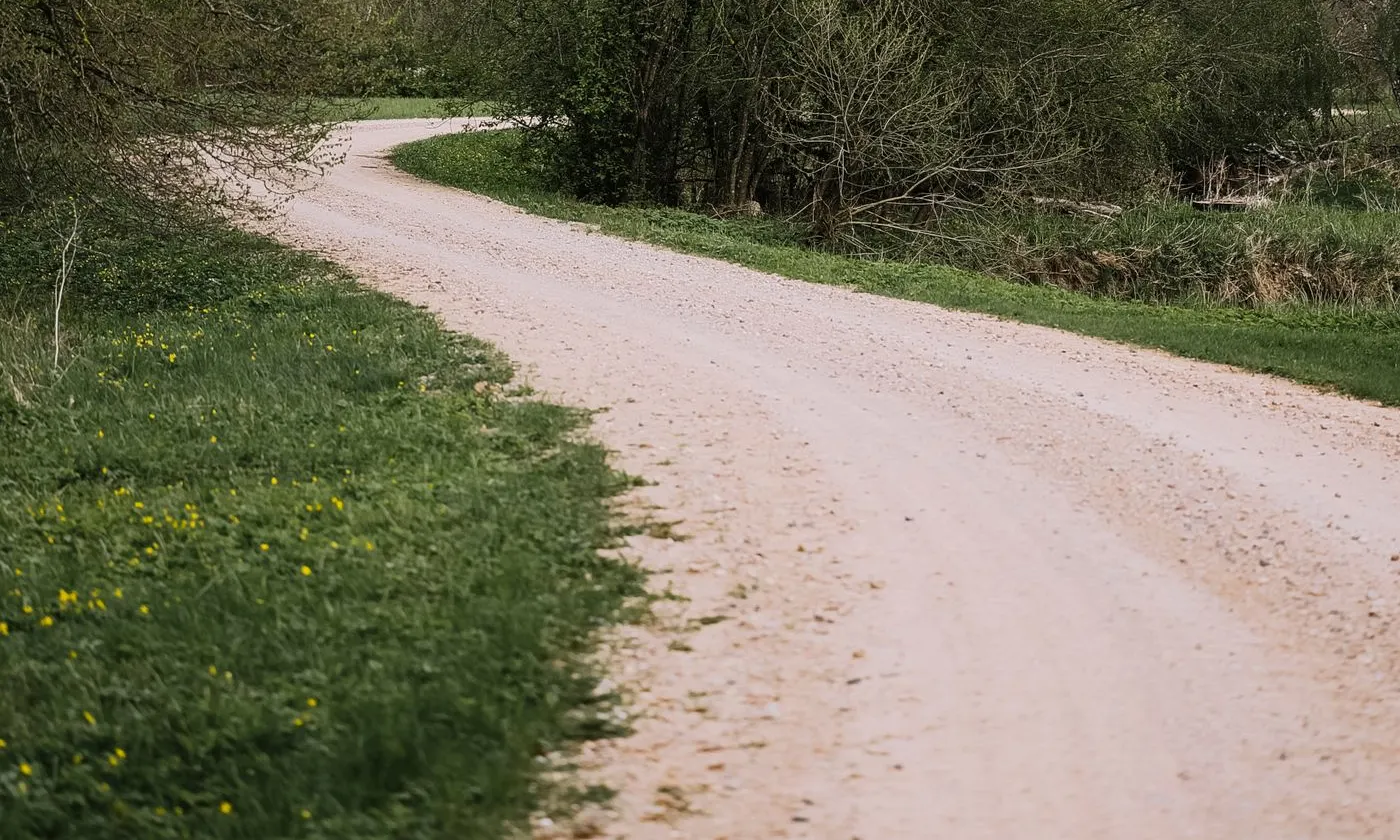
Inspect physical conditions with permission: grades, drainage crossings, soft ground, gates, and room for emergency vehicles. Ask about wet-weather access and who pays for repairs. Keep road improvement costs separate from the land payment and confirm access before sending a contractor or attempting a visit.
04Get a water answer from the provider or OWRB
If rural water service is suggested, identify the actual water provider and request written confirmation of service eligibility, capacity, meter and connection charges, and any line-extension or easement costs for the parcel. A pipe or a neighbor's meter nearby is not a commitment to serve your property.
If a well is the alternative, consult the Oklahoma Water Resources Board's Wells & Licensing guidance and a licensed well driller. OWRB distinguishes domestic groundwater wells from non-domestic uses for its intent-to-drill authorization process. That distinction is not a promise of water, an exemption from construction standards, or approval for any activity you might call domestic. Ask OWRB to classify your intended use if there is any doubt.
Budget for drilling, pumping, power, water-quality testing, and possible treatment. Nearby well records can inform questions but cannot guarantee yield or safe drinking water on your land. Confirm any proposed hauled-water or storage arrangement with the authorities responsible for your intended occupancy.
05Follow Oklahoma DEQ's wastewater approval process
Oklahoma DEQ's onsite sewage guidance describes three steps: a Report for On-Site Sewage, an Authorization to Construct, and inspection and approval before operation. The report, often called the 581, identifies allowable system types and minimum dispersal requirements. DEQ must review it before issuing the authorization to construct a new system or modify an existing one.
Ask DEQ or a qualified professional which evaluation applies to the site. DEQ explains that soil profiles identify allowable system types, while percolation tests are limited to evaluating conventional subsurface dispersal sites. Do not assume that a conventional septic tank and lateral field will work merely because the land has space.
Request a layout and estimate that account for the proposed household size, soil, slope, well location, required separation distances, and ongoing maintenance. Ask DEQ about any RV wastewater or alternative toilet proposal too; a holding tank or composting toilet is not automatic permission to occupy the property. If an existing system is claimed, obtain its records and an appropriate inspection rather than assuming it is approved for your use.
06Check title and the full written purchase terms
Have a title or closing professional review liens, easements, recorded restrictions, and any reserved mineral interests and associated surface rights. Ask the county treasurer about current and delinquent taxes. The county clerk is the starting contact for recorded documents; a tax listing alone is not a title opinion or a survey.
Compare the cash price with the complete financed purchase price, not just a monthly payment. Request the down payment, payment schedule, total payable, taxes, fees, default provisions, and the point at which a deed is delivered or recorded. A 0% interest offer can still have a higher financed price than the cash option. Confirm the parcel's actual written offer rather than treating an educational example or another property's terms as an offer.
Ask whether the contract permits visits, occupancy, or improvements before payoff, and have an independent attorney review those rights. Then combine the land cost with access, water, wastewater, power, surveys, permits, and maintenance. Use the links below to browse or ask questions, but resolve essential feasibility issues before committing. Official sources linked below were reviewed on October 30, 2026 and should be checked again when you buy.
Sources and further reading
- Latimer County official offices: commissioners, assessor, county clerk, and treasurer
- Latimer County Commissioner District 1: county road and bridge responsibilities; confirm the district for your parcel
- Oklahoma Water Resources Board: wells, licensed drillers, and domestic versus non-domestic drilling requirements
- Oklahoma DEQ: onsite sewage report, authorization to construct, and inspection process
This guide is general information, not legal, tax, or financial advice. Rules vary by location; confirm details with the appropriate local authorities and qualified professionals. For an active emergency, follow current instructions from local officials.
Ready to look at real parcels?
Browse current listings, or send us your questions about a property and its terms.